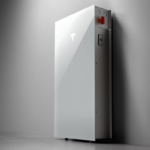

1. What is a Solar Battery?
A solar battery is a device that stores energy from the sun. It works with solar panels to save extra power that is not used during the day. This stored energy can be used later, like at night or during cloudy weather. It helps homes and businesses use solar power even when the sun isn’t shining.
2. How Does a Solar Battery Work?
When solar panels collect sunlight, they turn it into electricity. If the solar system makes more electricity than needed, the extra power goes into the solar battery. Later, when the sun is not out or power is needed, the battery sends the stored energy to power lights, appliances, or other devices.
3. Benefits of Using a Solar Battery
Solar batteries help reduce electricity bills because they let you use stored solar power instead of power from the grid. They are also helpful during power outages. With a solar battery, you can still have electricity even when the main power is off. It’s also good for the environment because it supports clean energy use.
4. Types of Solar Batteries
There are different kinds of solar batteries, such as lithium-ion, lead-acid, and saltwater batteries. Lithium-ion batteries are the most popular because they last long and take up less space. Each type has its own price, lifespan, and storage ability, so it’s important to choose the right one for your needs.
5. Is a Solar Battery Right for You?
A solar battery is a great option if you want to save more energy and reduce your power bill. It is also useful in areas with frequent power cuts. However, it can be costly, so you should think about your budget, energy needs, and how long you plan to stay in your home.
Homeowners who are considering a residential solar panel system on their house will probably have realised there are several options to choose from.
One of the most important is whether to opt for just solar panels, or whether to invest in battery storage too.
Read on to find out what the benefits of getting a solar panel battery storage are and why the investment will be worth it in the long run.
- Excess sunlight
It might sound surprising but homeowners with solar panels will quickly accumulate an excess of energy, despite the apparent lack of sunshine in the UK.
Actually, you do not need to be living in the Bahamas to make effective use out of your solar panels, as you only need one peak sun hour to generate 1,000 watts (1kWh) of energy per square metre.
How much energy you need depends on how much your home uses, but Ofgem estimates the average household in England, Scotland and Wales uses 2,700kWh of electricity per year. This amounts to 7.4kWh per day, which is nearly seven and a half peak sun hours.
As long as your property is exposed to more than this, it will produce all the electricity your home requires and even an excess.
Without a solar battery storage, this surplus can be sold back to the National Grid, as part of the Smart Export Guanratee (SEG) scheme. Homeowners can typically sell their electricity for between 22p and 35p for every kWh they generate.
If you do not use as much electricity as your solar panels create then you could end up earning quite a bit of money from doing this.
- Why batteries are a better option
However, on days where there is little sunlight and your panels have not produced enough electricity you need to run your house, you have to buy it back from the National Grid and this is a much higher rate than you are selling it for.
This can be frustrating for homeowners, as some days you could have lots of excess energy but will need to spend more purchasing it back when electricity generation is low than you made selling it.
That is where batteries come in handy, as these enable you to store the excess electricity rather than selling it to the National Grid.
The surplus energy will charge up the battery, so on days you are using more than you are generating, you can tap into these reserves instead of purchasing kWhs from the grid.
Owners of electric vehicles (EVs) could find this option particularly beneficial, as it enables them to use the energy to charge their cars instead of paying extra for the electricity.
With nearly two million EVs on the UK roads these days, more and more homeowners need to take into account how much power their vehicle uses, as well as their houses.
As they would not be buying the electricity back from the grid at a higher rate, they would save money in the long-term, making the investment worthwhile.