How does the gateway system prevent power cuts?
When the power goes out, most battery systems do not keep your house running. That surprises people. A standard battery is designed to store cheap energy and cut your bills, not to act as a backup generator, so when the grid fails the battery shuts down with it for safety.
Backup is a separate feature, and there are two levels of it. The basic version, built into most FoxESS hybrid inverters, is called EPS (Emergency Power Supply). It powers a small number of pre chosen circuits, usually a few sockets and your lights, after a short switchover of a couple of seconds. Useful, but it is not the whole house.
The full version keeps everything running: lights, fridge and freezer, heating controls, broadband, your home office, the lot. That is what most people mean when they say whole home backup, and with the right FoxESS setup it is now achievable in a normal UK home.
What is the Backup Gateway?
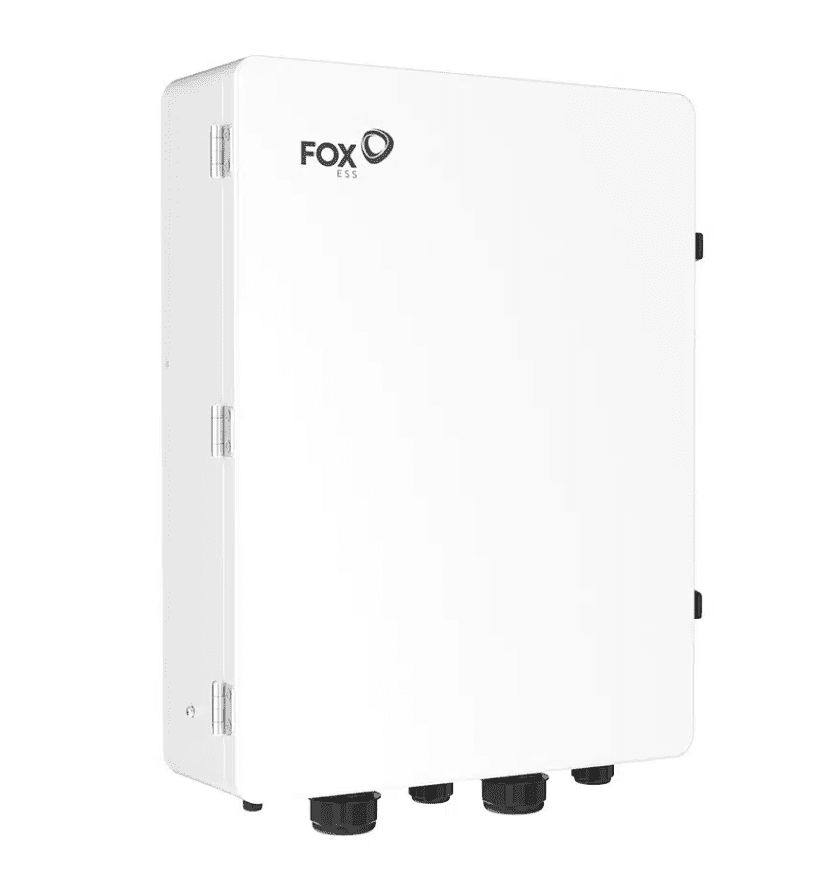
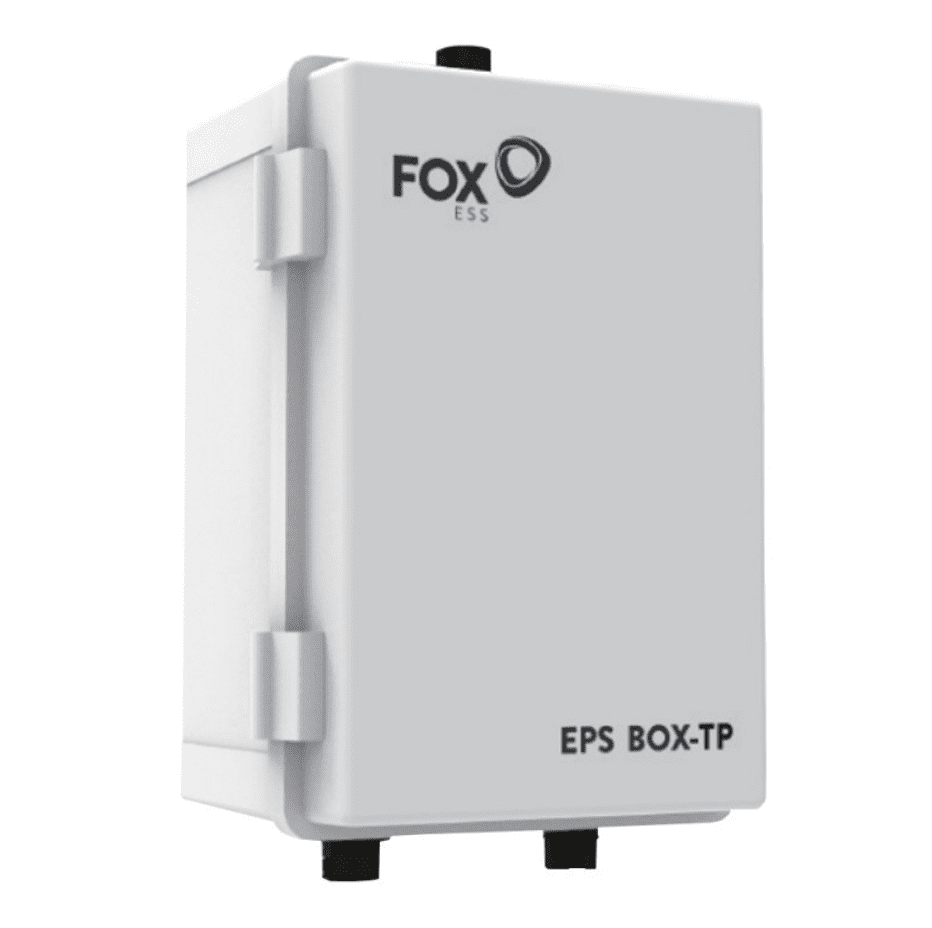
Until recently, getting true whole home backup from FoxESS meant a manual changeover switch and some careful wiring. Now FoxESS make dedicated gateways that do the job automatically, in both single phase and three phase versions, so the right setup exists whether you are a standard home or a larger or commercial property.
The gateway sits between your FoxESS inverter, the grid and your home’s circuits. In normal use, grid, solar and battery all flow as usual. When the power fails it isolates your property from the grid and restores power from your battery and solar within a couple of seconds. When the grid returns it switches back on its own, with no flicking of switches and nothing for you to remember.
Single phase vs three phase backup
- Whole home backup, up to 100A
- Covers the whole house, not just a few sockets
- Can often be retrofitted to an existing system
- Works with H1-G2, EVO, K-Series
- Whole site backup across all three phases
- Automatic switchover, same as single phase
- Works with H3, H3 Smart, AIO H3
Both are built for indoor or outdoor mounting in a weatherproof enclosure. As a FoxESS Elite Partner we install the full range, so we can tell you which gateway suits your property, whether your existing kit is compatible, and what the upgrade looks like. You can see the official product detail on the FoxESS website, our own FoxESS battery storage page covers the inverters and batteries we fit, and for three phase commercial projects our commercial solar page is a good starting point.
Upgrading your current system
If You Have a Battery Only System
If you are weighing up battery sizing, our battery storage page walks through the options, and adding solar panels later is always possible if you want that daytime top up down the line.
If You Have a Full Solar and Battery System
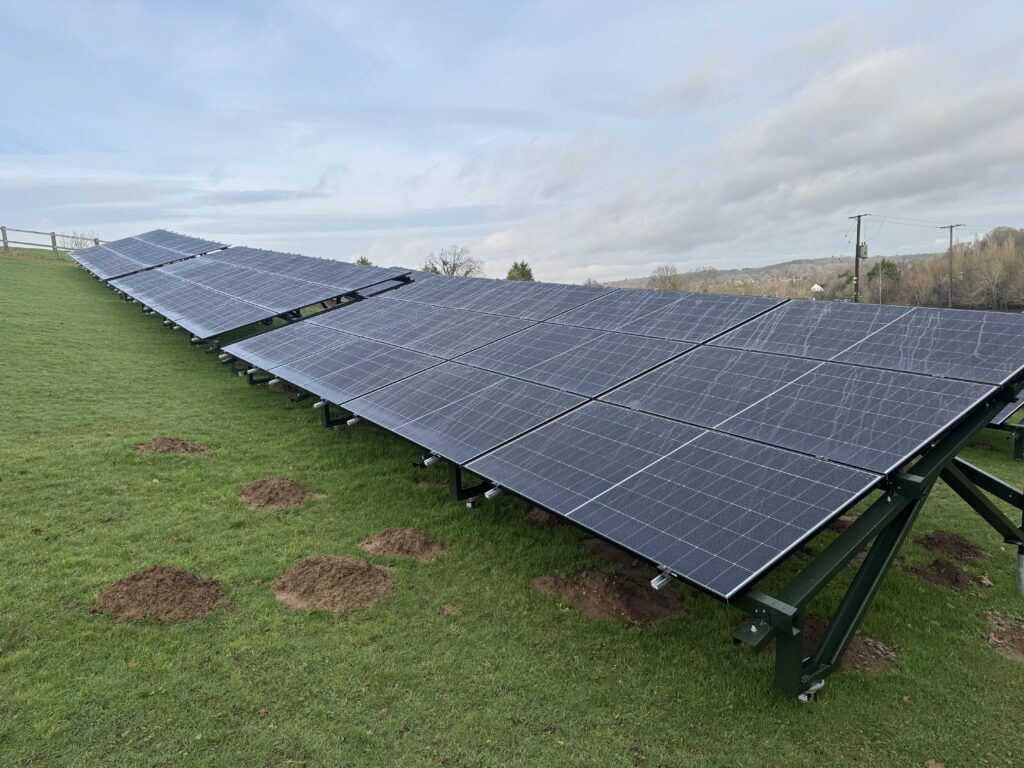
This is the strongest position to be in. With a FoxESS hybrid inverter, a battery and solar panels, the system can island itself during a power cut. The inverter disconnects from the grid, forms its own mini supply inside your home, and runs your circuits from the battery.
The clever part is that your solar keeps working. In daylight the panels carry on generating, powering your home and topping the battery back up, which means a blackout in summer could last most of the day and you would barely notice. Your stored energy stretches much further because the sun keeps refilling the tank.
If you want the same whole home protection from a different brand, our Tesla Powerwall page covers how that system handles backup, and we will give you honest numbers on both.
Is Whole Home Backup Worth It In The UK?
Britain does not have frequent blackouts, so this is not about prepping for the apocalypse. It is about an ageing grid, more extreme weather, and the fact that more of our lives now depend on power staying on, from home offices and broadband to home medical equipment and heat pumps. For a lot of our customers the peace of mind is the point, and if you are already buying a battery to cut your bills, adding proper backup is a small step on top.