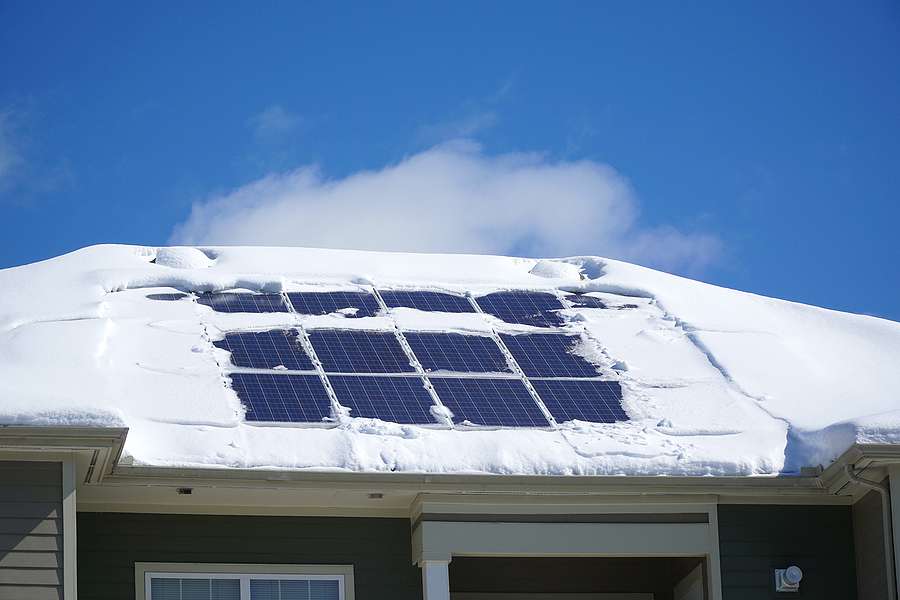
The stereotype many people had about solar panels for years was that they were good for hot, sunny countries where the sun shone brightly, but less useful in a cloudy and cooler country like Britain. That isn’t really true, but some may wonder whether there are some serious differences in seasonal output, especially when it is so dark in winter. If you are thinking of having a domestic solar panel system fitted, it is a fair question to ask. The actual amount of daylight is approximately the same anywhere in the world over the course of a year, but the seasonal variations in day length increase the further you stray from the equator to the point where the polar regions have periods of 24-hour day and 24-hour night. Britain won’t quite get to that point, but around the winter equinox, the day length is less than six hours in the northernmost parts of the UK and little more than eight hours in the very southernmost areas. When it is daylight, it is more likely to be cloudy and the sun is always low, but despite all this, solar panels are still of some use, perhaps more than many would think. Research carried out for the Energy Saving Trust has indicated solar panels used in a UK winter would generate around a fifth of the electricity that they would in the summer. It is certainly true that with less sun, output in winter is less than in the peak summer periods. Most of this is due to there being less daylight, as solar panels still produce 80 per cent of the electricity they would on a cloudy day as they would when it is clear. Moreover, temperature has no bearing on output, although a heavy snow covering can affect solar panels, so while such weather has become rarer in Britain in recent years, you should brush this off if it does happen. If a four-fifths reduction in output sounds a lot, it is important to remember that is only compared to the peak of the summer. By definition, for most of the year, there will be a lot more sun visible than the winter low in December and a lot less than at the midsummer peak in late June. What this does mean is that you won’t meet all your electricity needs from solar panels in the winter months, especially when the sun has set, whereas in summer you will come very close to doing so (although you would still need battery storage to maintain functions when the sun is down for between five and seven hours on the longest days). This does mean you should consider using other renewables if you want to be as green as possible, but it is also worth reflecting that, in view of the higher energy use needed for heating and lighting in winter, it would be harder for solar panels to provide all the electricity you need anyway at such times. Nonetheless, some might be quite surprised that you can generate any energy at all from solar panels in winter, let alone almost a fifth of what you can on a summer’s day. It goes to show that solar panels are an underestimated technology that can make a greater impact on energy output than is often assumed.
Can Solar Panels Work in the British Winter?
Yes, solar panels still work in winter, even when it’s cold and days are shorter. They can capture sunlight on cloudy days too.
How Much Energy Do Solar Panels Make in Winter?
Solar panels make less energy in winter because there is less sunlight. But they still produce enough to help lower electricity bills.
Do Snow and Cold Weather Affect Solar Panels?
Cold weather doesn’t stop solar panels from working—in fact, they can work better in cooler temperatures. Snow might cover the panels sometimes, but it usually melts or slides off quickly.
Why Use Solar Panels in Winter?
Even in winter, solar panels help save money and reduce pollution. They work all year round, making them a smart choice for clean energy in the UK.